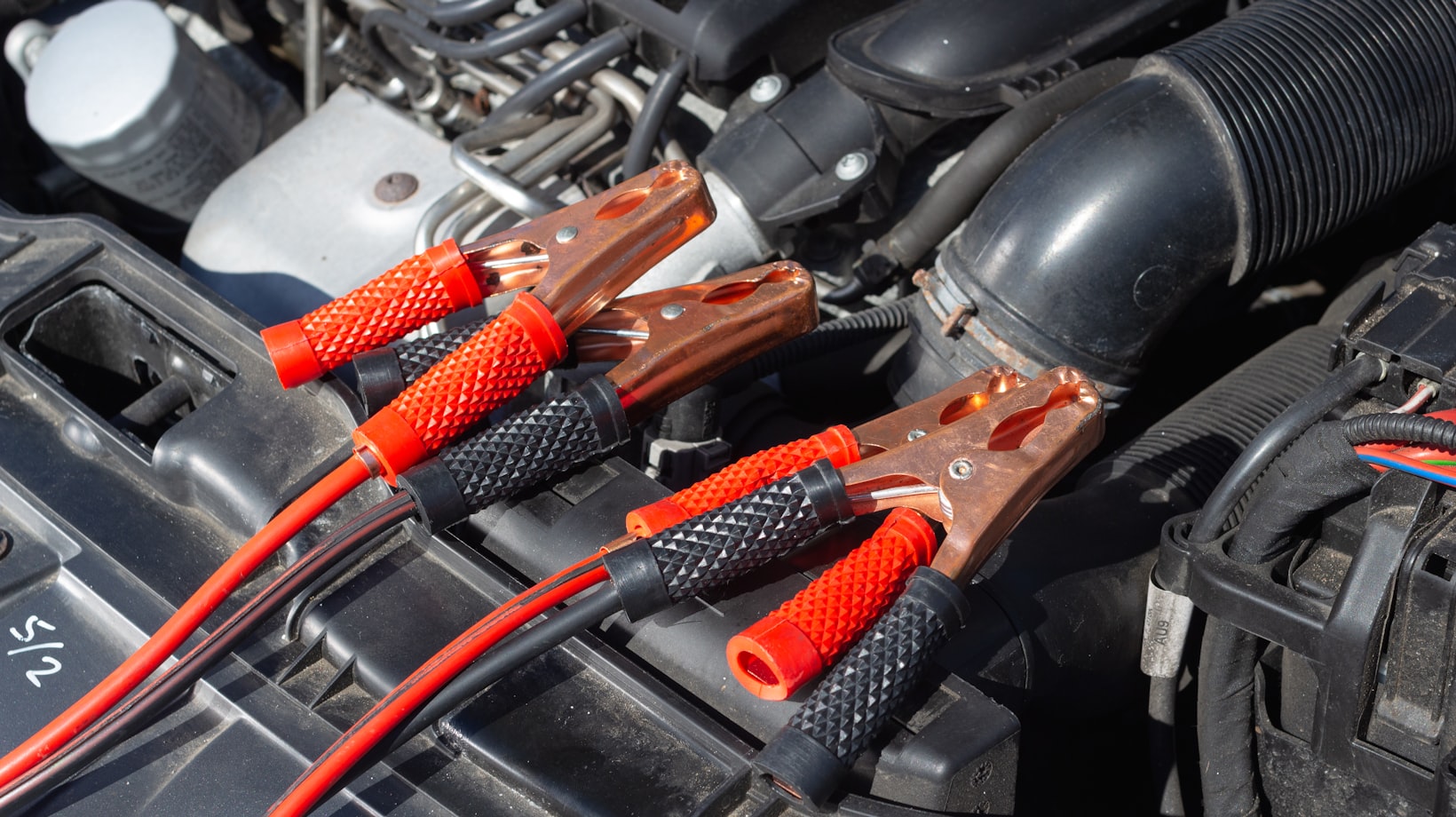
A battery is the one part most owners assume is universal, a box you swap in twenty minutes at any parts store. On a modern BMW, Mercedes-Benz, Audi, Volkswagen, or Porsche, that assumption costs money. These cars manage their batteries electronically, and a replacement that is not coded to the vehicle can fail years earlier than it should.
Why the New Battery Has to Be Registered
Modern German vehicles use an intelligent battery sensor and a charging strategy that adapts to the battery's age and condition. As a battery ages, the car gradually raises charging voltage to compensate. Install a fresh battery without telling the car about it and the charging system keeps using the aggressive profile it learned for a worn-out battery, overcharging the new one and cooking it prematurely. Registering, or coding, the replacement resets that profile and tells the car the chemistry and capacity it is now working with. On BMW and many VW and Audi models this is a required step, not an optional one, and it takes a factory-level scan tool.
AGM Is Not Optional Either
If your car came with an AGM battery, which most cars with automatic start-stop did, it needs an AGM battery again. A conventional flooded battery is not a cheaper substitute. It cannot handle the deep cycling that start-stop demands, and the charging profile is different. Substituting the wrong type is one of the most common reasons a two-year-old battery ends up dead in a parking lot.
What Actually Kills Batteries Around Here
Central Coast driving is unusually hard on batteries for a reason most owners never consider: the trips are short. A quick run to Camino Real, a few miles on Hollister, a drive down to State Street and back rarely gives the alternator enough time to fully replace what starting the car consumed. Repeated shallow discharge shortens battery life more effectively than heat does. Add a parasitic draw from an aftermarket accessory, a dash cam, or a module that is not going to sleep properly, and a battery that should last five or six years gives up in three.
The Warning Signs Worth Acting On
German cars rarely give you the slow, obvious crank that older vehicles did. Instead you get electrical oddities: a start-stop system that quietly stops working, a cluster full of unrelated warning lights that appear together and then vanish, windows or seat memory that behave strangely, or a car that occasionally needs a second try to start after sitting for a few days. These are charging-system symptoms, and they are worth a test before the battery strands you.
What a Proper Battery Service Includes
Testing the battery alone is only part of the picture. We test the battery under load, check alternator output, measure parasitic draw if the car has been going flat, install the correct type and capacity, and register the new battery to the vehicle so the charging system starts fresh. That last step is the one that gets skipped elsewhere, and the one that determines whether you get five years out of the battery or two. If your German car has been slow to wake up lately, call us at (805) 967-1551 and we will test it properly.